
Herbs and Nutrition: Why Plants Are More Than Just Flavor
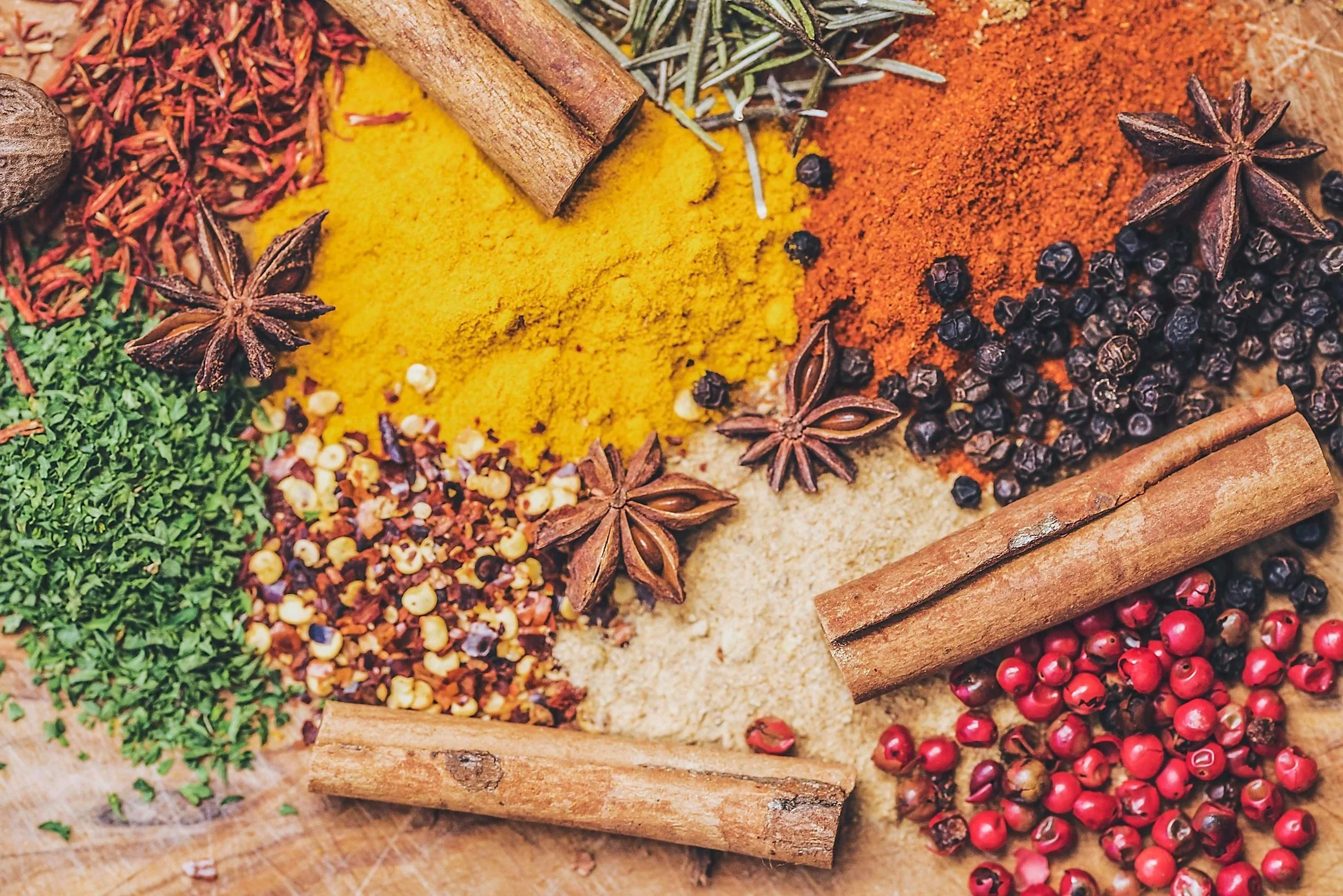
When most people think about herbs, they imagine adding a sprinkle of basil to pasta or a pinch of rosemary to roasted vegetables. While herbs certainly enhance the flavor of our meals, they also contribute something equally valuable—nutrition.
For centuries, cultures around the world have incorporated herbs into everyday cooking, not only for their taste and aroma but also as part of a nourishing lifestyle. Today, science continues to explore the many naturally occurring compounds found in herbs, helping us better understand why these plants have remained staples in traditional diets for generations.
Herbs Are Tiny Plants Packed with Big Nutrition
Although herbs are often used in small amounts, they contain a variety of naturally occurring nutrients and plant compounds. Depending on the herb, these may include vitamins, minerals, antioxidants, essential oils, and phytochemicals that support overall wellness as part of a balanced diet.
Think of herbs as nutritional boosters. They may not replace fruits and vegetables, but they can complement your meals by adding both flavor and beneficial plant compounds.
The Power of Phytonutrients
One of the greatest nutritional gifts herbs provide is their abundance of phytonutrients.
Phytonutrients are naturally occurring compounds that plants produce to protect themselves from environmental stressors such as sunlight, insects, and disease. When we consume a variety of colorful plant foods—including herbs—we also consume many of these beneficial compounds.
Some of the most well-known phytonutrients found in herbs include:
Polyphenols
Flavonoids
Carotenoids
Terpenes
Phenolic acids
These compounds contribute to the vibrant colors, distinctive aromas, and complex flavors that make herbs so enjoyable.
Herbs Can Help You Eat More Nutritiously
One of the simplest ways herbs improve nutrition is by making healthy foods taste better.
Fresh or dried herbs can transform ordinary meals into flavorful dishes without relying on excessive salt, sugar, or heavy sauces.
Try adding herbs to:
Soups and broths
Roasted vegetables
Rice and whole grains
Oatmeal
Salad dressings
Smoothies
Eggs
Beans and lentils
Marinades
Homemade spice blends
When healthy meals are full of flavor, they're often easier to enjoy consistently.
Nutrient-Rich Herbs Worth Keeping in Your Kitchen
Parsley
Often used as a garnish, parsley deserves a starring role. It naturally contains vitamin K and vitamin C, along with a variety of antioxidants.
Try adding chopped parsley to soups, salads, grain bowls, or smoothies.
Nettle
Nettle has long been appreciated in traditional herbal practices as a nourishing herb. It naturally contains minerals such as calcium, magnesium, potassium, and iron, making it a popular choice for herbal infusions.
Rosemary
Rosemary contains aromatic compounds and antioxidants that contribute to its distinctive fragrance and flavor.
Use it in roasted vegetables, potatoes, poultry, or homemade breads.
Oregano
Beyond its bold flavor, oregano is naturally rich in plant compounds and is commonly used throughout Mediterranean cuisine.
It pairs beautifully with tomatoes, beans, vegetables, and savory soups.
Turmeric
Turmeric's brilliant golden color comes from naturally occurring compounds called curcuminoids. It has become one of the most widely recognized culinary herbs in modern nutrition.
Add it to rice, soups, curries, roasted vegetables, or warm milk beverages.
Fresh vs. Dried Herbs
Both fresh and dried herbs have their place in a nutritious kitchen.
Fresh herbs offer vibrant flavor, moisture, and bright aromas that complement salads, sandwiches, and finishing dishes.
Dried herbs are more concentrated, have a longer shelf life, and are convenient for soups, stews, broths, and spice blends.
Keeping both on hand gives you flexibility throughout the year.
Color Matters
Just as colorful fruits and vegetables provide a variety of nutrients, colorful herbs contribute their own unique plant compounds.
Consider incorporating:
Green herbs like parsley, basil, cilantro, and nettle
Purple herbs such as purple basil
Golden herbs like turmeric and calendula
Deep red herbs including hibiscus and rose hips
Eating a rainbow of plants—including herbs—helps create variety in your diet.
Herbs Beyond Tea
Many people only think about herbs as tea, but there are countless ways to include them in everyday meals.
Consider using herbs in:
Homemade herbal broths
Mineral-rich soups
Overnight oats
Rice and grain blends
Seasoning mixes
Infused vinegars
Herbal oils
Salad dressings
Vegetable marinades
Energy bites and snacks
The more ways you incorporate herbs into your meals, the more naturally they become part of your daily routine.
Building a Nutrient-Dense Plate
Herbs work best when they're part of an overall balanced eating pattern.
Aim to build meals around:
Colorful vegetables
Fruits
Whole grains
Lean proteins
Healthy fats
Legumes
Nuts and seeds
Fresh and dried herbs
Together, these foods provide a wide range of nutrients that support overall health and well-being.
Small Changes Add Up
Healthy eating doesn't require an overnight transformation. Sometimes the smallest changes have the greatest impact over time.
Adding fresh basil to a salad, rosemary to roasted vegetables, nettle to an herbal infusion, or turmeric to a pot of soup are simple ways to increase variety and enjoy more plant-based nutrition.
Every meal is an opportunity to nourish your body with wholesome foods and flavorful herbs.
Final Thoughts
Herbs are much more than seasonings—they are an important part of many traditional food cultures and can add nutrition, color, aroma, and enjoyment to everyday meals.
Whether you're sipping a nourishing herbal infusion, seasoning roasted vegetables, stirring herbs into homemade broth, or sprinkling fresh parsley over dinner, these small plants can play a meaningful role in creating flavorful, nutrient-rich meals.
By embracing herbs as everyday foods—not just occasional garnishes—you'll discover countless ways to bring more variety, nourishment, and joy to your kitchen.
Disclaimer: This article is intended for educational purposes only and is not medical advice. Herbs should not be used as a substitute for a balanced diet or professional medical care. If you are pregnant, nursing, taking medications, or have a medical condition, consult your healthcare provider before using herbal products.