
Building Your Home Herbal Pantry: 10 Essential Herbs Everyone Should Know
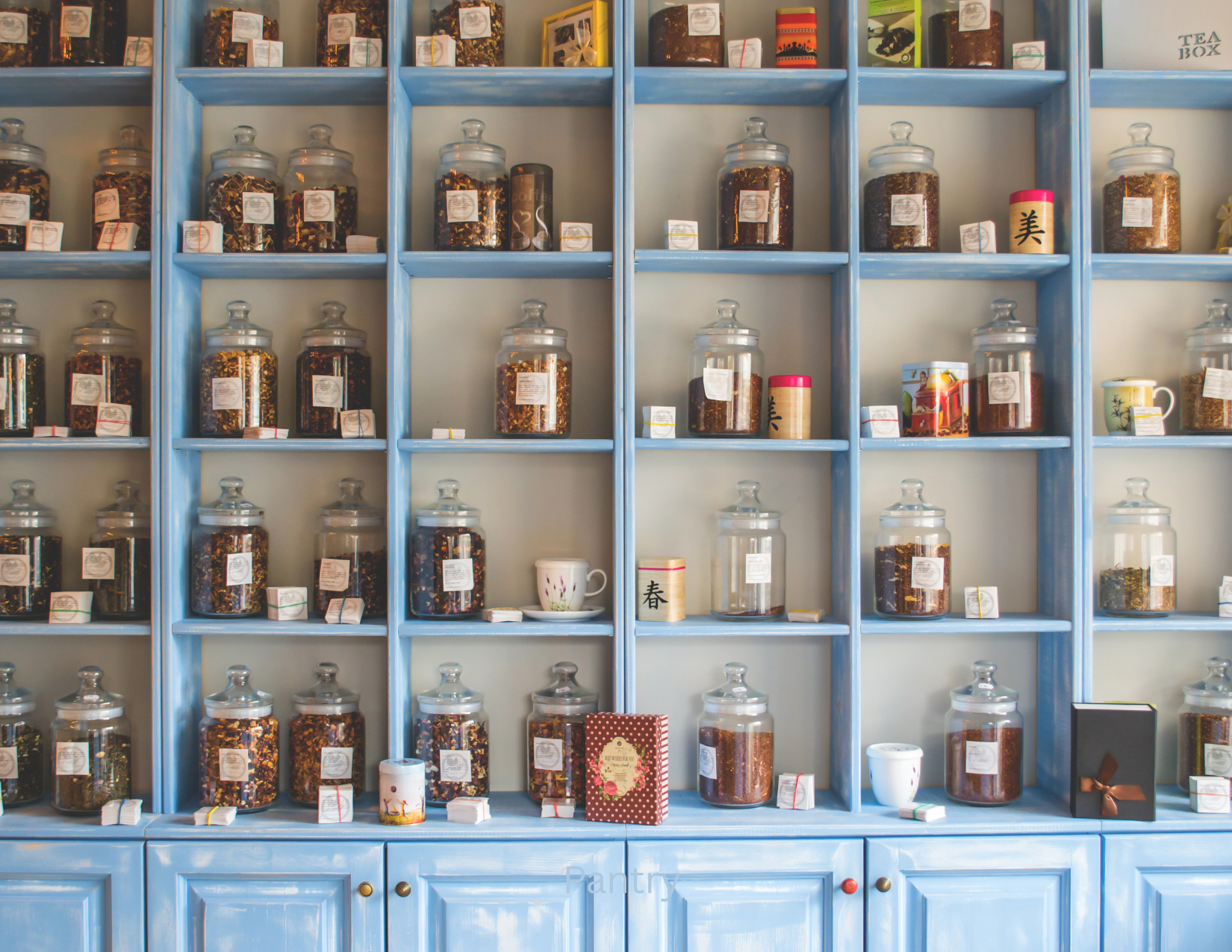
A well-stocked pantry isn't just about flour, rice, and spices—it can also become a foundation for everyday wellness. Keeping a selection of versatile culinary and herbal plants on hand makes it easy to prepare nourishing teas, herbal infusions, broths, meals, and simple home remedies inspired by traditional herbal practices.
Whether you're just beginning your herbal journey or expanding your collection, these ten herbs are excellent staples for creating a home herbal pantry.
1. Chamomile (Matricaria chamomilla)
Chamomile is one of the most recognizable herbs in the world and has been enjoyed for generations as a calming evening tea. Its delicate apple-like aroma makes it a favorite for both adults and children.
Traditionally used to:
Promote relaxation
Support restful sleep
Soothe occasional digestive discomfort
Encourage a sense of calm
Chamomile also pairs beautifully with lavender, lemon balm, peppermint, and rose.
2. Peppermint (Mentha × piperita)
Peppermint is refreshing, cooling, and incredibly versatile. Whether served hot or iced, it provides a bright flavor while traditionally supporting digestive comfort.
Traditionally used to:
Support healthy digestion
Freshen breath
Promote feelings of mental alertness
Provide a cooling sensation
Peppermint is delicious in teas, infused water, fruit blends, and herbal desserts.
3. Ginger (Zingiber officinale)
Known for its warming qualities, ginger has long been used in kitchens and traditional wellness practices around the world.
Traditionally used to:
Support healthy digestion
Promote healthy circulation
Warm the body during colder months
Add comforting spice to foods and beverages
Fresh or dried, ginger works wonderfully in teas, soups, broths, oatmeal, and rice dishes.
4. Rosemary (Salvia rosmarinus)
Rosemary is more than a flavorful culinary herb. Its rich aroma and bold taste make it one of the most versatile herbs for cooking and herbal preparations.
Traditionally used to:
Support cognitive wellness
Promote healthy circulation
Add depth to savory dishes
Complement roasted vegetables and broths
Its woody fragrance also makes rosemary enjoyable in steam inhalations and aromatic sachets.
5. Lemon Balm (Melissa officinalis)
With its fresh citrus aroma, lemon balm is often chosen by those looking to create peaceful moments during a busy day.
Traditionally used to:
Encourage relaxation
Support emotional well-being
Promote restful evenings
Create uplifting herbal teas
Lemon balm blends beautifully with chamomile, lavender, and rose.
6. Nettle (Urtica dioica)
Nettle is one of the most nutrient-dense herbs commonly used in herbal traditions. Rich in naturally occurring vitamins and minerals, it is frequently prepared as a nourishing herbal infusion.
Traditionally used to:
Support overall vitality
Provide mineral-rich nourishment
Complement seasonal wellness routines
Promote general wellness
Many herbalists enjoy nettle as a daily infusion rather than a quick tea.
7. Calendula (Calendula officinalis)
Often recognized by its vibrant golden-orange petals, calendula brings both beauty and versatility to an herbal pantry.
Traditionally used to:
Support skin wellness
Add color to herbal teas
Enhance infused oils
Brighten soups and salads
Its cheerful petals make nearly every herbal blend more beautiful.
8. Cinnamon (Cinnamomum verum or Cinnamomum cassia)
Although commonly thought of as a spice, cinnamon has a long history of traditional herbal use.
Traditionally used to:
Add warming flavor
Complement digestive wellness
Enhance herbal teas
Pair with fruits and grains
It's a wonderful addition to oatmeal, herbal broths, baked goods, and warming beverages.
9. Hibiscus (Hibiscus sabdariffa)
Known for its brilliant ruby-red color and pleasantly tart flavor, hibiscus creates refreshing herbal drinks enjoyed around the world.
Traditionally used to:
Support hydration
Provide antioxidant-rich plant compounds
Create vibrant iced teas
Add brightness to herbal blends
Pair hibiscus with rose hips, berries, orange peel, or mint for delicious seasonal beverages.
10. Holy Basil (Tulsi) (Ocimum tenuiflorum)
Tulsi, often called Holy Basil, has been treasured in Ayurvedic traditions for centuries.
Traditionally used to:
Support resilience during everyday stress
Promote overall balance
Encourage mental clarity
Complement daily wellness practices
Its warm, slightly spicy flavor makes it a comforting tea enjoyed throughout the day.
Tips for Storing Your Herbs
To keep herbs fresh and flavorful:
Store them in airtight glass containers.
Keep them away from heat, moisture, and direct sunlight.
Label each jar with the herb name and purchase date.
Replace older herbs as their aroma and flavor begin to fade.
Proper storage helps preserve the herbs' natural qualities and extends their shelf life.
Start Small and Build Over Time
You don't need an entire apothecary to begin enjoying herbs. Start with three or four versatile herbs that fit your lifestyle and gradually expand your collection as you learn how each one works best for you.
As your confidence grows, you'll discover new ways to incorporate herbs into teas, nourishing infusions, broths, soups, oatmeal, rice dishes, spice blends, and everyday meals.
Herbal wellness isn't about perfection—it's about creating simple, sustainable habits that nourish your body and enrich your daily routine.
Disclaimer
The information provided in this article is for educational purposes only and is not intended to diagnose, treat, cure, or prevent any disease. Herbs may not be appropriate for everyone. Consult your healthcare provider before using herbs if you are pregnant, nursing, taking medications, or have an underlying health condition.