
Herbs 101: Choosing the Right Herbal Preparation
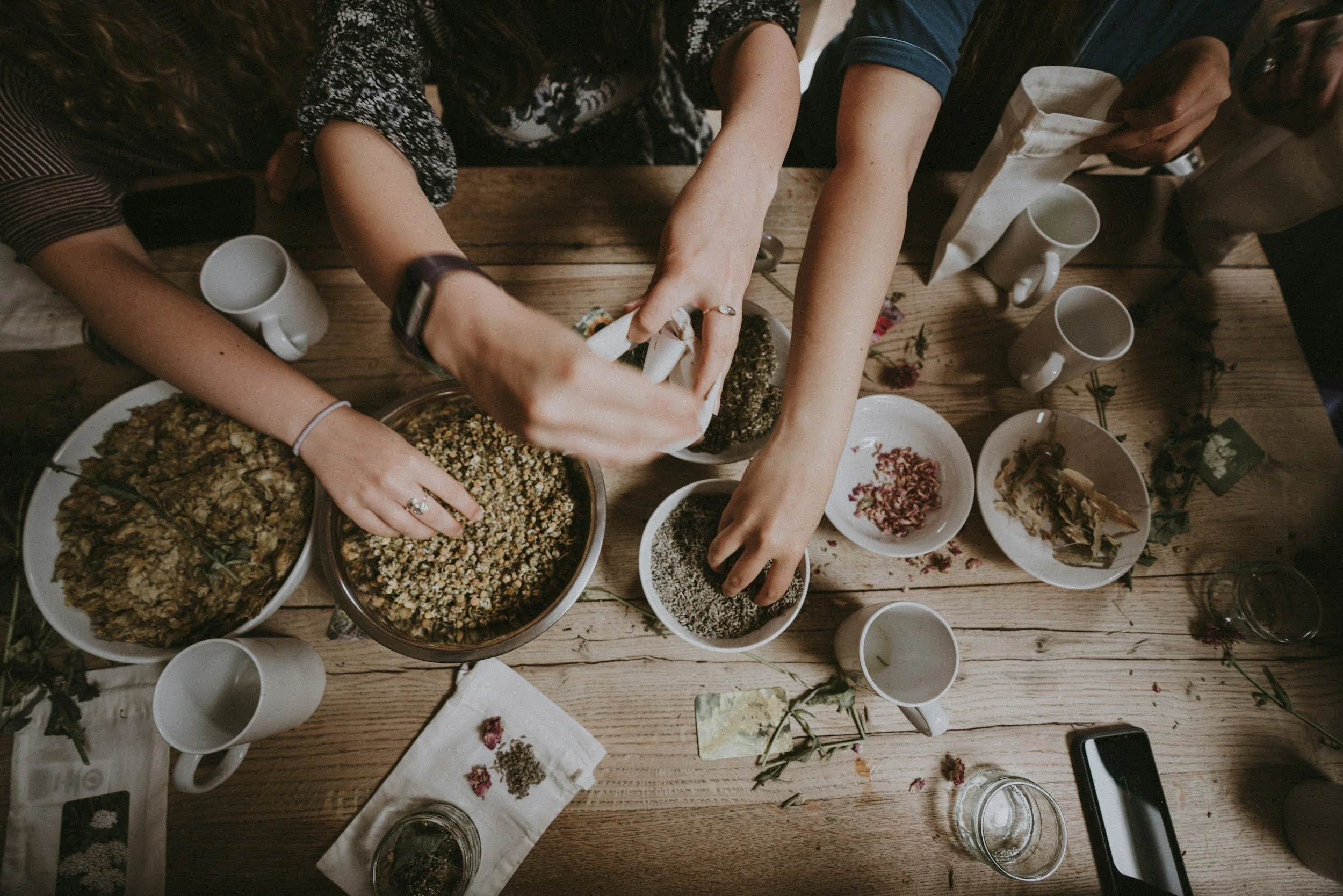
Herbs can be enjoyed in many different ways. You can add them to your meals, steep them into tea, prepare a stronger infusion, simmer roots and bark into a decoction, or use a tincture when a more concentrated preparation is appropriate.
But with so many options, one question often comes up:
What is the best way to prepare an herb?
The answer depends on the herb, the plant part being used, and the purpose of the preparation.
Understanding these basic methods can help you become more confident in your herbal journey.
1. Herbal Tea: Simple and Everyday
Tea is one of the easiest ways to enjoy herbs.
A typical herbal tea is prepared by pouring hot water over the plant material and allowing it to steep for several minutes.
This method works particularly well for delicate plant parts such as:
Leaves
Flowers
Tender stems
Some herbs commonly prepared as teas include chamomile, peppermint, lemon balm, rose, hibiscus, and lavender.
Tea can become a simple daily ritual. You can enjoy a cup in the morning, take a relaxing afternoon break, or create an evening wind-down routine.
2. Herbal Infusions: A Deeper Nourishing Practice
An infusion is similar to tea but is generally steeped for a longer period and may use a larger quantity of herbs.
This preparation is especially popular for herbs that are traditionally valued for their nutritional qualities.
Nettle and other leafy herbs are often prepared as longer infusions.
A simple infusion can be made by placing dried herbs in a heat-safe container, covering them with hot water, allowing them to steep, and then straining the liquid.
The result is a more concentrated herbal beverage than a typical cup of tea.
3. Decoctions: For Roots, Bark, and Seeds
Not every part of a plant releases its constituents easily into hot water.
Roots, bark, seeds, and some tougher plant materials often benefit from a decoction.
Instead of simply pouring hot water over the herb, the plant material is gently simmered in water for a period of time.
Traditional examples include preparations made with ginger root, cinnamon bark, or certain medicinal roots.
Decoctions are particularly useful when working with tougher plant parts that require more heat and time to extract their compounds.
4. Culinary Herbs: Food as a Daily Herbal Practice
You don't always need to make a tea or supplement to enjoy herbs.
One of the simplest approaches is to eat them.
Culinary herbs can become part of your everyday nutrition through:
Soups
Salads
Vegetables
Beans
Marinades
Think about rosemary on roasted vegetables, parsley in a grain bowl, ginger in soup, or turmeric in rice.
Using herbs in food allows them to become a natural part of your lifestyle rather than something you only remember to use occasionally.
5. Tinctures: A Concentrated Herbal Preparation
Tinctures are liquid herbal preparations traditionally made by extracting herbs into alcohol, glycerin, or another appropriate solvent.
Because tinctures are more concentrated than teas, they are generally used in much smaller amounts.
Different extraction methods can work better for different plant constituents, which is one reason herbal preparation is more than simply putting an herb in water.
Tinctures can be convenient for people who don't have time to prepare tea or who prefer a portable herbal preparation.
6. Herbal Powders: Convenient and Versatile
Herbs can also be dried and powdered.
Powdered herbs can be incorporated into:
Smoothies
Soups
Energy bites
Food preparations
However, powdered herbs aren't automatically interchangeable with teas or tinctures. The appropriate amount and method depend on the specific herb.
Why Preparation Matters
One of the most important lessons in herbalism is that the herb and the preparation method work together.
A delicate flower may be perfectly suited to an infusion, while a tough root may require simmering.
The plant part matters.
The desired constituents matter.
The extraction method matters.
And safety matters.
This is why learning about individual herbs is just as important as learning how to prepare them.
Start With One Herb
If you're new to herbalism, don't feel like you need to learn everything at once.
Choose one herb that interests you.
Learn:
What is it?
Learn the botanical name and identify which part of the plant is traditionally used.
How is it traditionally prepared?
Is it commonly used as a tea, infusion, decoction, culinary herb, tincture, or another preparation?
What is it traditionally used for?
Understand its traditional applications without assuming that traditional use automatically means it is appropriate for everyone.
What are the safety considerations?
Learn about contraindications, medication interactions, pregnancy considerations, allergies, and appropriate use.
This approach allows you to develop your herbal knowledge one plant at a time.
Creating Your Own Herbal Ritual
Once you understand different preparations, you can begin creating herbal rituals that fit your lifestyle.
Your morning might include a nourishing herbal infusion.
Your lunch could include fresh herbs over a colorful grain bowl.
Your afternoon might call for a refreshing herbal tea.
Your evening could include a calming cup of chamomile or lemon balm.
Herbalism doesn't have to be complicated.
Sometimes the most powerful practice is simply making herbs a consistent part of your relationship with food, nature, and self-care.
Herbs Are a Journey, Not a Shortcut
Herbalism is a tradition built on observation, knowledge, preparation, and respect for plants.
The goal isn't to collect every herb or create the most complicated herbal cabinet.
It's to understand the plants you use and learn how to incorporate them thoughtfully into your life.
Start with one herb.
Learn its story.
Understand its properties.
Explore different traditional preparations.
And most importantly, approach herbalism with curiosity and respect.
Final Thoughts
Herbs offer an incredible opportunity to reconnect with simple, plant-centered practices.
Whether you're preparing a cup of tea, simmering a nourishing broth, seasoning your dinner, or creating an herbal infusion, each preparation can become an intentional part of your wellness routine.
The more you learn about herbs, the more you'll realize that herbalism isn't simply about taking plants.
It's about building a relationship with them.
Disclaimer: This article is for educational purposes only and is not intended to diagnose, treat, cure, or prevent any disease. Herbal products can interact with medications and may not be appropriate for everyone. Consult a qualified healthcare professional before using herbs, particularly if you are pregnant, breastfeeding, taking medications, or managing a health condition.