
Herbs 101: A Beginner's Guide to Herbal Wellness
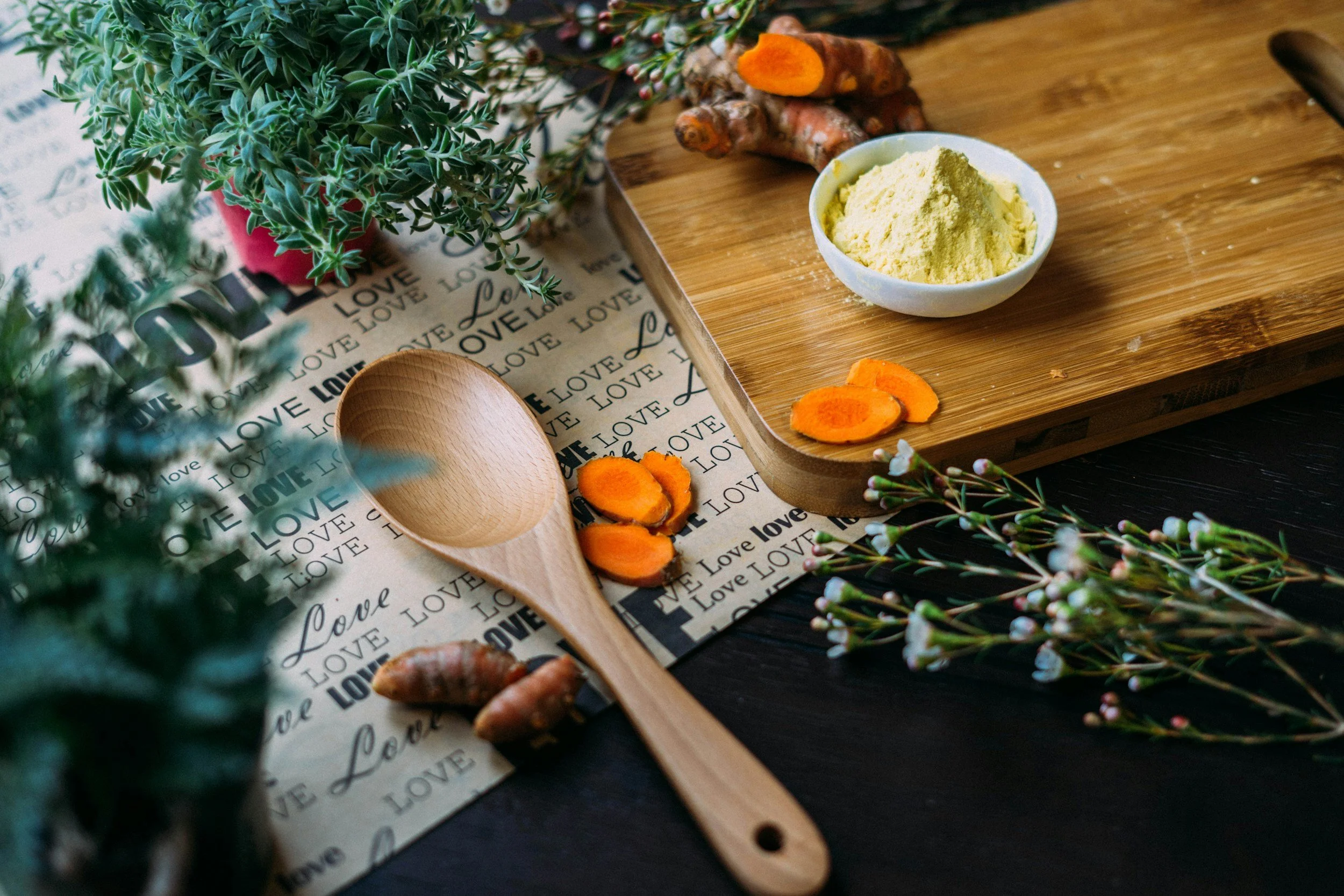
Walk into almost any kitchen and you'll find herbs.
Basil. Rosemary. Thyme. Ginger. Cinnamon. Peppermint.
For some people, herbs are simply ingredients used to make food taste better. For others, they are part of a daily wellness routine, passed down through generations and rooted in traditional practices from cultures around the world.
But what exactly is an herb?
How do you use one?
And how do you know where to begin?
If you're new to herbal wellness, you don't need to memorize hundreds of plants or create an elaborate herbal apothecary. You can begin with something much simpler: learning to understand herbs and developing a respectful relationship with the plants you use.
What Is Herbalism?
Herbalism is the traditional practice of working with plants for wellness, nourishment, and various traditional applications.
For thousands of years, people have worked with plants in different forms—including foods, teas, infusions, decoctions, tinctures, oils, and topical preparations.
Different cultures developed their own systems of herbal knowledge based on their environments, traditions, observations, and generations of experience.
Modern herbalism draws from many of these traditions while also benefiting from contemporary research into the chemistry, safety, and potential effects of plants.
At its heart, herbalism encourages us to pay attention to the plants around us and learn how to use them thoughtfully.
Herbs Are More Than Supplements
One of the biggest misconceptions about herbs is that they only come in capsules or bottles.
Herbs can actually be incorporated into everyday life in many ways.
You can enjoy them as:
Fresh culinary herbs
Dried seasonings
Herbal teas
Nourishing infusions
Decoctions
Tinctures
Herbal powders
Herbal broths
Infused oils
Food blends
This is especially important when thinking about herbs from a whole-food perspective.
Instead of thinking only about taking an herb, consider asking:
How can this plant become part of my food, my routine, or my daily ritual?
Culinary Herbs vs. Herbal Preparations
Some herbs are primarily familiar as culinary ingredients.
Think about rosemary, oregano, thyme, basil, sage, parsley, and cilantro.
These plants can contribute flavor and naturally occurring plant compounds to meals.
Other herbs are more commonly prepared as teas, infusions, tinctures, or other herbal preparations.
And some herbs can fit into both categories.
For example, ginger can be used in cooking, prepared as a tea, incorporated into a broth, or used in other traditional preparations.
Understanding the different ways herbs can be used is one of the first steps toward becoming more confident with herbalism.
Learn the Whole Plant
When learning about an herb, don't stop at its common name.
A good herbal profile considers several pieces of information.
Common Name
This is the name most people recognize.
For example:
Ginger
Botanical Name
The botanical name helps identify the exact plant.
Zingiber officinale
This becomes particularly important because common names can vary between regions and sometimes refer to different plants.
Plant Part
Different parts of the same plant can have different properties and traditional uses.
These may include:
Root
Leaf
Flower
Bark
Seed
Fruit
Berry
For example, when we talk about ginger, we are typically referring to the rhizome.
Preparation
How is the plant traditionally prepared?
It might be:
Infused
Decocted
Tinctured
Powdered
Cooked
Extracted
The preparation method can influence which constituents are extracted from the plant.
Traditional Uses
Understanding traditional use provides important historical context.
However, traditional use should not automatically be interpreted as proof that an herb can treat or cure a particular medical condition.
This distinction is an important part of responsible herbal education.
Understanding Herbal Actions
As you learn more about herbalism, you'll encounter terms that describe what an herb traditionally does.
These are called herbal actions.
For example, you may come across terms such as:
Carminative
Demulcent
Astringent
Nervine
Bitter
Diuretic
Expectorant
Antispasmodic
At first, these terms can seem intimidating.
But they are simply part of the language herbalists use to describe the traditional characteristics and actions of plants.
Learning this vocabulary will eventually allow you to read herbal formulas and understand why particular herbs may be combined.
Herbal Energetics
Another fascinating part of herbalism is the concept of energetics.
Traditional herbal systems may describe herbs according to qualities such as:
Warming
Cooling
Drying
Moistening
Stimulating
Relaxing
Moving
Building
For example, ginger is traditionally considered warming, while peppermint is often described as cooling.
Energetics provide a traditional framework for understanding herbs and how they may fit into different herbal formulations.
They are not a substitute for medical diagnosis or treatment, but they can be a valuable part of learning traditional herbal practice.
Why Herbs Work Differently for Different People
One of the most important lessons in herbalism is that there is no universal herb that is appropriate for everyone.
Two people can use the same herb and have completely different experiences.
Factors that can matter include:
Age
Diet
Medications
Allergies
Pregnancy
Breastfeeding
Existing health conditions
Dosage
Preparation method
Frequency of use
This is why responsible herbal education includes safety alongside traditional uses.
Knowing an herb means understanding both what it may be used for and when it may not be appropriate.
Start With Food
If you're completely new to herbs, one of the easiest places to begin is your kitchen.
You don't need to start with complicated formulas.
Try adding:
Rosemary to roasted vegetables.
Ginger to soups and stir-fries.
Turmeric to rice or savory dishes.
Parsley to salads and grain bowls.
Cinnamon to oatmeal.
Peppermint to a refreshing herbal tea.
Small changes can help you become more familiar with the flavors, aromas, and characteristics of different plants.
Create an Herbal Ritual
Once you've become comfortable incorporating herbs into food, you can begin creating simple herbal rituals.
Perhaps you prepare an herbal tea each morning.
Maybe you make a nourishing herbal infusion in the evening.
You might create a weekly broth using herbs and vegetables.
Or perhaps you simply take a few minutes to prepare your favorite herbal tea without distractions.
The ritual itself can become an opportunity to slow down and reconnect with your daily wellness practices.
Quality Matters
Not all herbal products are created equally.
When purchasing herbs, pay attention to:
The botanical name
The plant part used
Ingredient transparency
Sourcing
Storage
Expiration or best-by information
Third-party testing when applicable
Appropriate labeling
Look for reputable companies that clearly identify what is actually in the product.
And remember: more ingredients do not necessarily mean a better product.
Sometimes simplicity is valuable.
Herbalism Is a Practice of Learning
You don't need to know everything before you begin.
Start with one herb.
Learn its botanical name.
Discover which part of the plant is used.
Learn how it is traditionally prepared.
Understand its traditional actions and energetics.
Research its safety considerations.
Then explore another herb.
Over time, these individual pieces of knowledge begin to connect.
Eventually, you start seeing herbs not as isolated products, but as part of a larger relationship between plants, food, preparation, tradition, and wellness.
Your Herbal Journey Starts With One Plant
Herbalism doesn't have to be complicated.
It can begin with a single cup of tea.
A sprig of rosemary.
A slice of fresh ginger.
A spoonful of herbs added to your soup.
A quiet moment with a warm cup in your hands.
The goal isn't to use every herb available.
The goal is to learn, observe, and use plants thoughtfully.
Start small.
Stay curious.
Respect the plants.
And allow your knowledge to grow one herb at a time.
Welcome to Your Herbal Journey
At Herbal Infusion, we believe herbs can be more than something sitting in a bottle in your cabinet.
They can become part of how you cook, nourish yourself, create daily rituals, and reconnect with traditional plant wisdom.
This is only the beginning.
In the next article, we'll explore how to choose the right herbal preparation and why some herbs are better suited for teas, infusions, decoctions, tinctures, or culinary use.
Disclaimer
This article is for educational purposes only and is not intended to diagnose, treat, cure, or prevent any disease. Traditional herbal uses do not necessarily establish clinical effectiveness. Herbs can interact with medications and may not be appropriate for everyone. Consult a qualified healthcare professional before using herbs, particularly if you are pregnant, breastfeeding, taking medications, preparing for surgery, or managing a health condition.
Want to continue your herbal journey? Join the Herbal Infusion community and receive herbal education, seasonal wellness tips, recipes, and resources delivered directly to your inbox.