
How to Choose the Right Herbal Preparation: Tea, Infusion, Decoction, Tincture & More
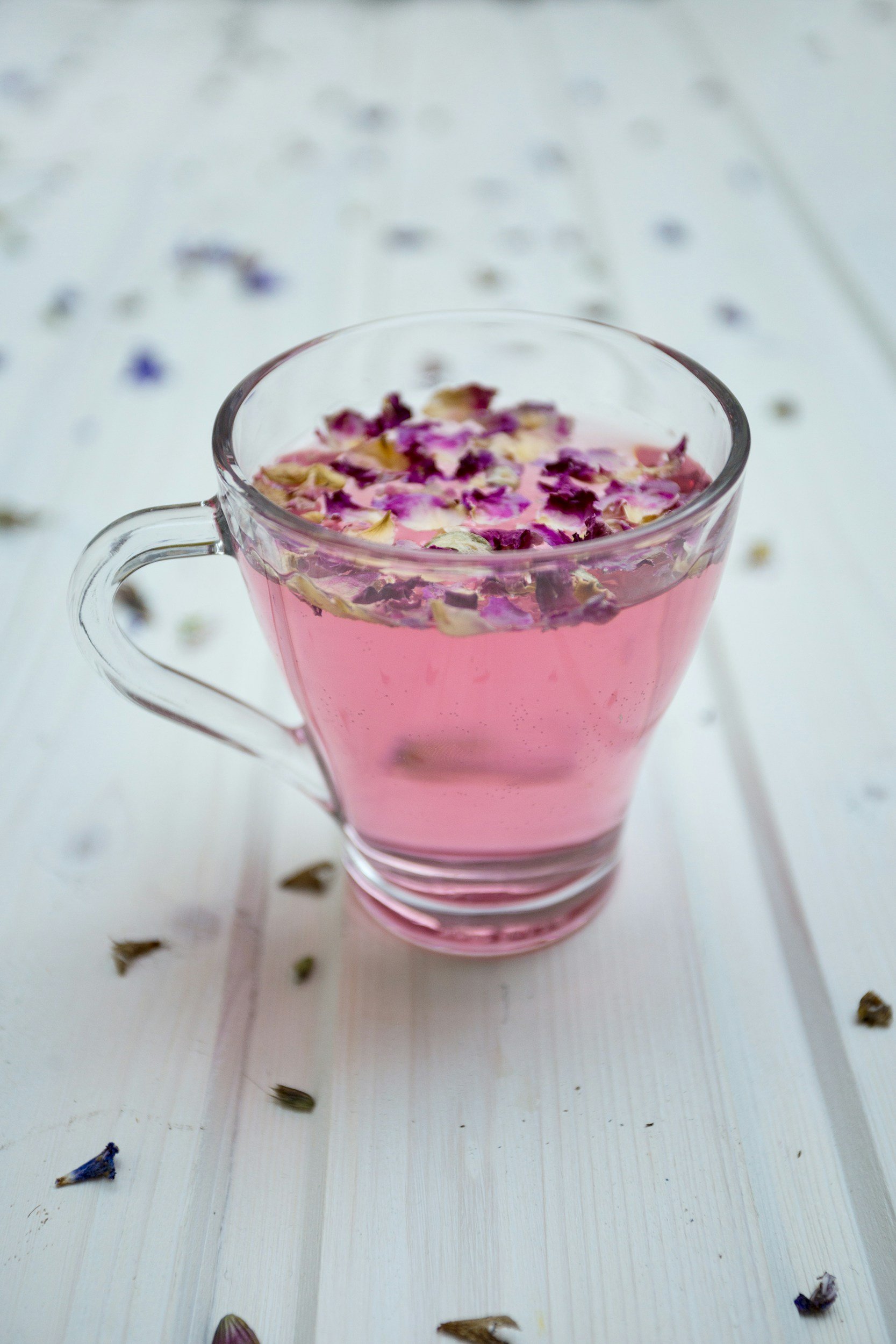
One of the first things people discover when they begin exploring herbalism is that there is more than one way to work with a plant.
You can drink it as a tea.
You can prepare a longer infusion.
You can simmer a root or bark into a decoction.
You can use a tincture.
You can add the herb directly to food.
You can even prepare certain herbs as oils or other topical preparations.
So how do you know which preparation to choose?
The answer begins with understanding the plant, the part of the plant being used, the constituents you want to extract, and the purpose of the preparation.
Let's explore some of the most common herbal preparations.
Why Herbal Preparation Matters
An herb isn't simply an herb once it leaves the plant.
The way you prepare it can affect what you extract from the plant and how you experience it.
Leaves and flowers are generally more delicate and are often prepared using hot water.
Roots, bark, and other tougher plant materials may require more heat and time.
Some plant constituents are water-soluble, while others are better extracted using alcohol, glycerin, oil, or another appropriate medium.
This is why herbalists pay attention not only to which herb they're using but also how the herb is prepared.
1. Herbal Tea
Tea is probably the most familiar herbal preparation.
A simple herbal tea is generally made by pouring hot water over the herbs and allowing them to steep for a short period before straining.
This method is particularly suitable for many delicate plant parts, including:
Leaves
Flowers
Some tender stems
Aromatic herbs
Common herbs enjoyed as teas include:
Chamomile
Peppermint
Lemon balm
Lavender
Rose
Hibiscus
Tea is easy, accessible, and can become part of a daily ritual.
The Herbal Tea Ritual
Preparing tea doesn't have to be complicated.
Place your herbs in a cup or teapot.
Pour in hot water.
Allow the herbs to steep.
Strain.
Then slow down and enjoy.
That simple process can turn herbal use into a mindful moment rather than another task to rush through.
2. Herbal Infusions
An infusion is similar to tea but is generally prepared with a longer steeping time and may use a larger quantity of herbs.
Infusions are particularly popular for leafy herbs traditionally valued for their nutritional qualities.
One example is nettle.
Nettle is traditionally prepared as a nourishing herbal infusion because the leaves contain naturally occurring minerals and other plant compounds.
An infusion can be prepared by placing dried herbs into a heat-safe container, covering them with hot water, allowing them to steep, and then straining the liquid.
The result is generally a stronger preparation than a typical cup of herbal tea.
Tea vs. Infusion
The terms are sometimes used interchangeably, but in herbal practice they can describe different approaches.
A tea is often:
Shorter + lighter + more casual
An infusion may be:
Longer + more concentrated + intentionally prepared
There isn't necessarily a strict universal dividing line. Different herbal traditions and practitioners may use these terms differently.
3. Decoctions
What happens when you want to work with a root, bark, seed, or other tough plant material?
This is where a decoction may be appropriate.
Instead of simply pouring hot water over the herb, the plant material is gently simmered in water.
This longer exposure to heat can help extract constituents from tougher plant structures.
Common examples include:
Ginger root
Cinnamon bark
Some medicinal roots
Certain seeds
A Simple Decoction
A basic decoction involves:
Adding the appropriate herb to water.
Bringing the water to a gentle simmer.
Allowing it to simmer for the recommended amount of time.
Straining the plant material.
Allowing the preparation to cool to a comfortable temperature before drinking.
The exact preparation varies depending on the herb.
Not every root or bark should be prepared in exactly the same way, which is why learning about the individual herb is important.
4. Tinctures
A tincture is a concentrated liquid herbal preparation traditionally made using alcohol as the primary extraction medium.
Alcohol can extract certain plant constituents that water may not extract as efficiently.
Tinctures are also convenient.
You don't need to boil water or prepare a cup of tea every time you want to use them.
A small amount can be measured according to the product's directions.
Why People Choose Tinctures
Tinctures can be:
Convenient
Portable
Long-lasting when properly prepared and stored
More concentrated than a typical tea
However, concentration also means that tinctures should be used thoughtfully.
More concentrated does not automatically mean better.
The appropriate preparation depends on the herb and the intended use.
5. Glycerites
Not everyone wants an alcohol-based preparation.
A glycerite is a liquid herbal extract made using vegetable glycerin as the extraction medium.
Glycerin has a naturally sweet taste, which can make glycerites appealing for certain people.
They can be especially useful when creating alcohol-free herbal preparations.
However, glycerin does not extract every plant constituent in the same way alcohol does, so it should not simply be considered an identical substitute for an alcohol tincture.
6. Herbal Powders
Another convenient preparation is powdered herbs.
The dried plant material is processed into a fine powder that can be incorporated into various foods and beverages.
Depending on the herb, powders can be added to:
Oatmeal
Smoothies
Soups
Broths
Rice dishes
Spice blends
Energy bites
Powdered herbs are especially useful when you want to incorporate plants into food rather than preparing a separate beverage.
However, herbs in powdered form can be more concentrated by weight than the same herb used casually in cooking, so appropriate serving guidance is important.
7. Culinary Herbs
One of the most overlooked forms of herbalism is simply cooking with herbs.
You don't always need a specialized preparation.
Sometimes the best place to begin is your dinner plate.
Try:
Rosemary with roasted vegetables.
Oregano in tomato-based dishes.
Parsley in salads.
Ginger in soups and stir-fries.
Turmeric in rice and vegetable dishes.
Cinnamon in oatmeal.
This approach allows herbs to become part of your everyday food culture.
Rather than thinking:
"I need to remember to take my herbs."
you begin thinking:
"How can I use more plants in my meals?"
8. Herbal Oils
Some herbs can also be infused into oils.
An herbal oil is created by allowing appropriate plant material to infuse into a carrier oil.
These preparations are generally intended for topical or culinary applications depending on the herb, oil, preparation method, and intended use.
Commonly infused herbs include:
Calendula
Rosemary
Lavender
Herbal oils can be incorporated into skin-care preparations, massage oils, or culinary applications when appropriately prepared.
Proper identification, drying, sanitation, storage, and preservation are important because improperly prepared herbal oils can spoil or become contaminated.
How Do You Choose?
When deciding how to prepare an herb, ask several questions.
What part of the plant am I using?
Leaves and flowers often work well as infusions.
Roots and bark may require decoction.
What constituents am I interested in?
Different extraction mediums can draw out different plant compounds.
Water, alcohol, glycerin, and oil don't extract plants in exactly the same way.
What is the traditional preparation?
Learning how an herb has traditionally been prepared can provide useful guidance.
What is the intended use?
A culinary herb, daily beverage, concentrated extract, and topical preparation are very different applications.
What are the safety considerations?
Always consider contraindications, medication interactions, allergies, pregnancy, breastfeeding, age, and existing health conditions.
One Herb Can Have Many Preparations
Let's take ginger as an example.
You could use fresh ginger in a stir-fry.
You could simmer ginger root to make a decoction.
You could add ginger to a broth.
You could prepare it as a tea.
You could incorporate powdered ginger into oatmeal.
The plant is the same, but the preparation changes the experience.
This is one of the fascinating aspects of herbalism.
You're not simply learning a list of herbs.
You're learning how to work with plants.
Don't Assume Stronger Is Better
A common misconception is that a more concentrated preparation must provide greater benefits.
That's not necessarily true.
An appropriate preparation depends on the herb, the person, the intended use, and the desired constituents.
A simple cup of herbal tea may be exactly what someone wants.
Another situation may call for a different preparation.
Herbalism isn't about maximizing strength.
It's about choosing the appropriate preparation for the situation.
Begin With Simple Preparations
If you're new to herbs, you don't need to start with complicated extraction techniques.
Start with:
Tea.
Then explore:
Infusions.
Learn:
Decoctions.
Become familiar with:
Culinary herbs.
Then, as your knowledge grows, explore preparations such as tinctures, glycerites, powders, and herbal oils.
The goal is to understand why you're choosing a particular preparation rather than simply following a recipe.
Turn Preparation Into a Ritual
There is another reason herbal preparation matters.
The process itself can become part of your wellness routine.
Gathering your herbs.
Smelling them.
Boiling the water.
Watching the color develop.
Straining the herbs.
Holding a warm cup.
Taking your first sip.
These small actions create an opportunity to slow down.
In a world where many things are consumed quickly, preparing herbs gives us an opportunity to pause.
Final Thoughts
Herbalism is not simply about knowing which plants exist.
It's about understanding how to work with them.
A flower may become a tea.
A leaf may become an infusion.
A root may become a decoction.
A plant may become a tincture.
An herb may simply become part of dinner.
Each preparation offers a different way to connect with the plant.
As you continue your herbal journey, don't feel pressured to learn everything at once.
Choose one herb.
Learn the plant.
Understand the part used.
Explore its traditional preparations.
Learn its safety considerations.
And then experience it for yourself in an appropriate way.
The more you understand how to prepare herbs, the more confident and intentional your herbal practice becomes.
What's Next?
Now that you understand the basic ways herbs can be prepared, it's time to start building your own collection.
In the next article, we'll explore:
Next: "Building Your Home Herbal Pantry: 10 Essential Herbs Everyone Should Know"
We'll look at versatile herbs that can become the foundation of a simple, practical home herbal pantry.
Continue your herbal journey by joining the Herbal Infusion community and receive herbal education, seasonal wellness tips, recipes, and resources delivered directly to your inbox. Sign up here!
Disclaimer
This article is for educational purposes only and is not intended to diagnose, treat, cure, or prevent any disease. Traditional herbal uses do not necessarily establish clinical effectiveness. Herbal products can interact with medications and may not be appropriate for everyone. Consult a qualified healthcare professional before using herbs, particularly if you are pregnant, breastfeeding, taking medications, preparing for surgery, or managing a health condition.