
Herbal Rituals: Turning Everyday Herbs Into Moments of Self-Care
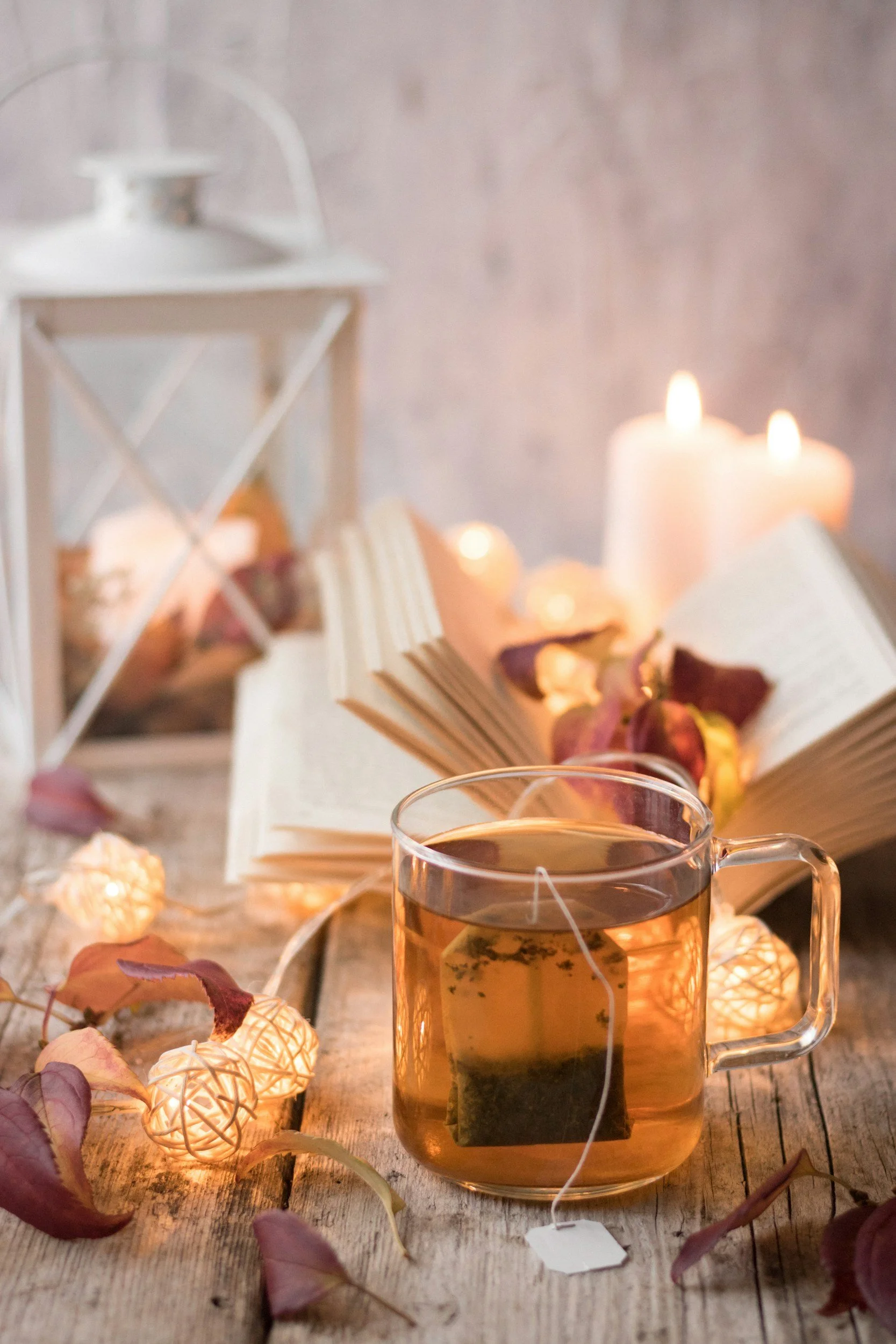
Wellness doesn't always require a complicated routine.
Sometimes it begins with a cup of tea.
A handful of herbs.
A warm bowl of nourishing food.
A few quiet minutes before the day begins.
In a world that often encourages us to move faster, an herbal ritual gives us permission to slow down.
Herbalism has always been about more than plants. Across cultures and generations, herbs have been incorporated into food, beverages, bathing, beauty practices, ceremonies, and daily routines.
Today, we can bring some of that intentionality into our own lives.
An herbal ritual is simply a consistent practice that brings together plants, preparation, intention, and presence.
And it doesn't have to be complicated.
What Is an Herbal Ritual?
An herbal ritual is a repeated practice involving herbs that allows you to intentionally pause and connect with yourself.
It could be:
Preparing tea in the morning
Making an herbal infusion
Drinking a cup of tea before bed
Adding fresh herbs to your meals
Preparing a nourishing broth
Creating a seasonal herbal blend
Spending a few quiet minutes with your plants
Journaling while enjoying an herbal beverage
The herbs are part of the ritual—but they aren't necessarily the entire point.
The ritual creates a moment of awareness.
Instead of drinking something while scrolling through your phone, you sit down and actually experience it.
You smell the herbs.
You notice the color.
You feel the warmth of the cup.
You taste each sip.
You breathe.
You pause.
That is the ritual.
Why Rituals Matter
Our days are often filled with routines we don't consciously choose.
We wake up.
Check our phones.
Get ready.
Work.
Eat.
Run errands.
Answer messages.
Complete tasks.
Repeat.
A ritual is different because it asks us to become intentional.
It creates a moment where we stop operating on autopilot.
A simple herbal practice can become a reminder:
Pause.
Breathe.
Be present.
Nourish yourself.
Over time, these small moments can become meaningful anchors in your day.
Herbs Engage the Senses
One of the beautiful things about working with herbs is that they naturally engage our senses.
Think about opening a jar of dried peppermint.
You immediately notice the aroma.
Or opening a jar of hibiscus.
You see the deep red petals.
Preparing ginger engages your sense of smell, taste, touch, and sight.
Rose petals create a completely different sensory experience.
Herbal rituals allow us to experience plants rather than simply consume them.
Create a Morning Herbal Ritual
Your morning ritual doesn't need to take an hour.
Five to ten intentional minutes can be enough to create a different beginning to your day.
Step 1: Choose Your Herb
Select an herb or blend that you enjoy.
You might choose:
Ginger
Peppermint
Lemon balm
Tulsi
Hibiscus
Rosemary
Step 2: Prepare Your Beverage
Heat your water.
Measure your herbs.
Allow them to steep appropriately.
Step 3: Step Away From Technology
Instead of immediately checking your phone, give yourself a few minutes without notifications.
Step 4: Set an Intention
Ask yourself:
"What do I want to bring into today?"
It could be:
Patience
Focus
Gratitude
Calm
Energy
Presence
Step 5: Drink Mindfully
Take your time.
Notice the aroma.
Taste the herbs.
Enjoy the warmth.
Then begin your day.
Create a Midday Herbal Reset
Afternoons can be hectic.
This is often when energy starts to dip and responsibilities continue piling up.
Instead of automatically pushing through, create a short herbal reset.
Prepare a cup of herbal tea.
Step away from your workspace.
Take several slow breaths.
Stretch.
Drink your tea without multitasking.
Even ten minutes can create a meaningful transition between one part of your day and the next.
Create an Evening Herbal Ritual
Evening is perhaps the most natural time for an herbal ritual.
The goal isn't to create a complicated nighttime routine.
It's simply to establish a consistent signal that the day is beginning to wind down.
You might prepare:
Chamomile
Lemon balm
Rose
Lavender
A gentle herbal blend
Dim the lights.
Put your phone away.
Prepare your tea.
Read.
Journal.
Listen to quiet music.
Or simply sit.
The beverage becomes part of a larger ritual of slowing down.
Turn Food Into an Herbal Ritual
Herbal rituals don't have to involve tea.
Food can be part of the experience too.
Consider preparing a nourishing breakfast with:
Oats
Cinnamon
Ginger
Berries
Nuts
Seeds
Or preparing a savory meal with:
Rosemary
Thyme
Garlic
Turmeric
Parsley
The process of preparing food can become intentional.
Rather than thinking:
"I have to make dinner."
try:
"I'm preparing something nourishing for myself."
That small shift in perspective can change the experience.
Create a Weekly Herbal Ritual
You can also create a ritual that happens once a week.
Choose a day to prepare your herbal supplies.
Clean your herb jars.
Check your inventory.
Create a tea blend.
Prepare a broth.
Plan several herbal meals.
Learn about one new herb.
Write down what you've learned.
This creates a relationship with your herbs rather than allowing them to become forgotten items in a cabinet.
Create Seasonal Rituals
Nature changes throughout the year.
Your herbal practices can change with it.
Spring: Renewal
Focus on fresh herbs, greens, lighter meals, and new beginnings.
Try:
Lemon balm
Nettle
Parsley
Fresh mint
Summer: Refreshment
Enjoy chilled herbal infusions and refreshing combinations.
Try:
Hibiscus
Peppermint
Rose
Lemongrass
Autumn: Warming
As temperatures cool, bring in warming spices and comforting foods.
Try:
Ginger
Cinnamon
Cardamom
Rosemary
Winter: Nourishment
Focus on warm beverages, soups, broths, and cozy rituals.
Try:
Ginger
Cinnamon
Tulsi
Rosemary
Seasonal practices can help create a stronger connection between your wellness routine and the natural world.
Keep an Herbal Journal
If you want to take your herbal ritual deeper, consider keeping an herbal journal.
Record:
Date
Herb or blend
How you prepared it
Flavor
Aroma
Color
How you felt about the experience
What you would change
What you learned
You can also write down questions you have about each herb.
Over time, your journal becomes a personal record of your herbal education.
Your Ritual Doesn't Have to Be Perfect
One of the biggest mistakes people make with wellness routines is making them too complicated.
You don't need:
A beautiful tea room
Dozens of herbs
Expensive equipment
An hour of free time
A perfect morning routine
You need consistency.
A five-minute ritual you actually practice is more useful than a one-hour routine you constantly postpone.
Start small.
Make it enjoyable.
Let it evolve.
Choose Herbs You Actually Enjoy
Your ritual should be something you look forward to.
If you don't like bitter tea, don't force yourself to drink it every morning.
If you love floral flavors, explore rose and chamomile.
If you prefer something refreshing, try peppermint or lemon balm.
If you enjoy warming spices, explore ginger, cinnamon, and cardamom.
Herbal wellness should include pleasure.
Food and herbs are sensory experiences.
Enjoying them makes it easier to create lasting habits.
An Herbal Ritual Is Not a Treatment
It's important to distinguish between an herbal ritual and medical treatment.
A cup of tea can be comforting.
Preparing herbs can create a sense of mindfulness.
A nourishing meal can support a healthy lifestyle.
But an herbal ritual should not replace appropriate medical evaluation or treatment when you need it.
Herbs also aren't automatically safe simply because they're natural.
Some herbs can interact with medications or may not be appropriate for certain people.
Intentional herbalism includes knowing when to enjoy a plant and when to seek professional guidance.
A Simple 7-Day Herbal Ritual Challenge
Want to begin?
Try this seven-day practice.
Day 1 — Choose
Choose one herb you enjoy.
Day 2 — Learn
Research its botanical name, plant part, traditional uses, preparation methods, and safety considerations.
Day 3 — Prepare
Make a simple tea or appropriate preparation.
Day 4 — Slow Down
Drink it without your phone or television.
Day 5 — Cook
Use the herb—or another appropriate culinary herb—in a meal.
Day 6 — Reflect
Write down what you enjoyed about the experience.
Day 7 — Create
Design your own simple herbal ritual to continue beyond the week.
The goal isn't perfection.
It's awareness.
From Herbal Practice to Herbal Lifestyle
Eventually, something interesting happens.
You stop thinking of herbalism as something you occasionally do.
It becomes part of your lifestyle.
Herbs become ingredients in your meals.
Tea becomes part of your morning.
Broth becomes part of your nourishment routine.
Your pantry becomes a place of learning.
Seasonal herbs become part of your yearly rhythm.
And those small moments begin to feel natural.
That's the beauty of an herbal lifestyle.
It doesn't have to be complicated.
It simply needs to be intentional.
Final Thoughts
An herbal ritual is an invitation to slow down.
It gives you an opportunity to experience plants through your senses and create moments of intentional nourishment throughout your day.
You don't need a complicated formula.
You don't need dozens of herbs.
You don't need a perfect routine.
Start with one herb.
Prepare it thoughtfully.
Sit down.
Take a breath.
Enjoy the moment.
Then do it again tomorrow.
The ritual isn't just in the herbs.
It's in the pause.
What's Next?
In our next article, we'll return to the practical side of herbalism:
Next: "Fresh vs. Dried Herbs: Which Should You Use?"
We'll explore the advantages of fresh and dried herbs, how preparation can differ, how to store them, and why having both in your kitchen can give you more flexibility.
Disclaimer
This article is for educational purposes only and is not intended to diagnose, treat, cure, or prevent any disease. Herbal products can interact with medications and may not be appropriate for everyone. Consult a qualified healthcare professional before using herbs, particularly if you are pregnant, breastfeeding, taking medications, preparing for surgery, or managing a health condition.
Have you grabbed the FREE Herbal Foundations Guide? Grab it here!