
Fresh vs. Dried Herbs: Which Should You Use?
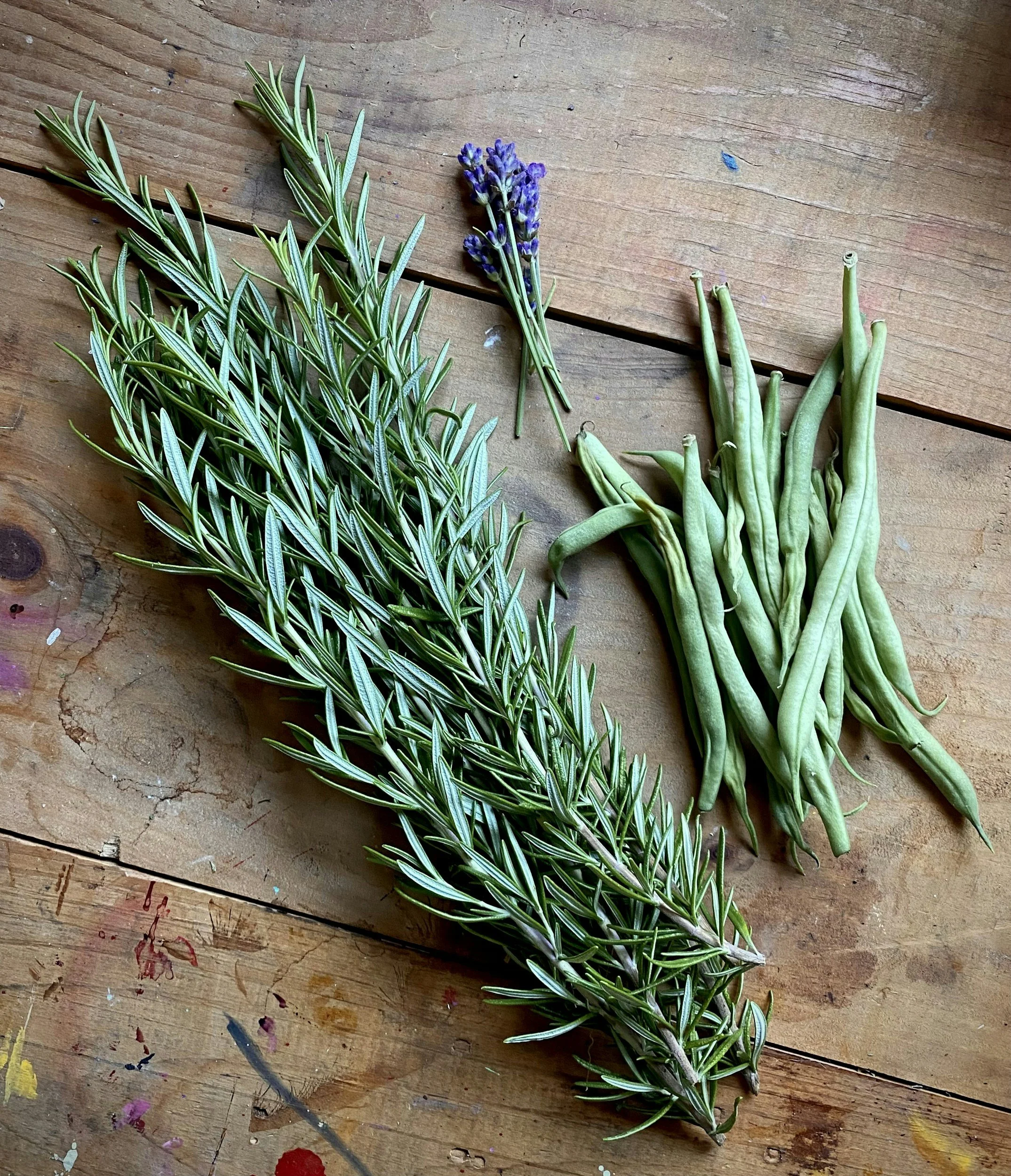
Walk into a kitchen filled with fresh herbs and you'll immediately notice the difference.
The bright green leaves.
The fresh aroma.
The vibrant flavor.
But open a jar of dried herbs and you'll discover something different—a concentrated aroma, convenience, and a long shelf life.
So which is better?
Fresh or dried?
The answer isn't as simple as choosing one over the other.
Both fresh and dried herbs have an important place in cooking and herbal practice. The best choice depends on the herb, the plant part, how you plan to use it, and the type of preparation you're making.
Instead of asking which is better, a more useful question is:
Which form is best for what I'm trying to do?
What Happens When Herbs Are Dried?
Fresh herbs contain a significant amount of water.
When herbs are properly dried, much of that moisture is removed.
This changes the texture, weight, aroma, and concentration of the remaining plant material.
That's why dried herbs can often have a much stronger flavor by volume than fresh herbs.
For example, a small amount of dried rosemary can provide a powerful flavor compared with a larger amount of fresh rosemary.
However, drying can also affect certain delicate plant compounds, particularly those that are sensitive to heat, light, air, or prolonged storage.
The quality of the drying process matters.
The Benefits of Fresh Herbs
Fresh herbs are wonderful when you want vibrant flavor, aroma, and texture.
They can bring life to otherwise simple meals.
Fresh herbs work especially well in:
Salads
Grain bowls
Dressings
Sauces
Salsas
Fresh beverages
Garnishes
Finishing soups
Vegetable dishes
Think about fresh parsley over roasted vegetables or fresh mint added to fruit.
The herbs don't simply add flavor.
They change the entire sensory experience of the meal.
The Benefits of Dried Herbs
Dried herbs offer a different set of advantages.
They're:
Convenient
Easy to store
Available year-round
Often more concentrated by volume
Useful for blends and seasonings
Practical for herbal teas and infusions
Dried herbs are especially useful when fresh herbs aren't available.
They're also ideal for creating a home herbal pantry.
A jar of dried chamomile can sit in your cabinet ready for tea.
Dried rosemary can be added to soups and roasted vegetables.
Dried hibiscus can be used to create a vibrant herbal infusion.
Dried ginger can be incorporated into spice blends, oatmeal, and beverages.
Fresh Doesn't Always Mean Better
There's a common assumption that fresh automatically means healthier.
That's not necessarily true.
Fresh and dried herbs have different characteristics.
Drying removes water and changes the concentration of compounds by weight.
Some compounds may remain relatively stable, while others can decrease during processing or storage.
The quality of the original plant and the drying method also matter.
So rather than thinking:
Fresh = good
and
Dried = inferior
think:
Fresh and dried are different preparations.
Both have their place.
Dried Doesn't Mean Less Nutritious
Dried herbs can still contain a variety of naturally occurring plant compounds.
In fact, because water has been removed, certain nutrients and compounds can become more concentrated by weight.
However, serving sizes are usually much smaller.
You're unlikely to eat the same weight of dried parsley that you would fresh parsley.
This is why nutrition should be considered in the context of the entire diet rather than focusing on a single herb.
Which Herbs Are Better Fresh?
Some herbs really shine when used fresh.
Basil
Fresh basil has a vibrant aroma and is wonderful in salads, sauces, and fresh dishes.
Cilantro
Fresh cilantro adds brightness to salsas, grain bowls, soups, and many cuisines.
Parsley
Fresh parsley can brighten salads, vegetables, sauces, and grain dishes.
Mint
Fresh mint is refreshing in beverages, fruit dishes, salads, and sauces.
Dill
Fresh dill adds a distinctive flavor to vegetables, potatoes, fish, sauces, and salads.
These herbs are excellent examples of plants that can transform a meal when used fresh.
Which Herbs Are Excellent Dried?
Other herbs are extremely convenient in dried form.
Rosemary
Dried rosemary works well in roasted foods, soups, broths, and spice blends.
Thyme
Dried thyme is excellent for soups, vegetables, beans, and savory dishes.
Oregano
Dried oregano is a staple in Mediterranean-inspired cooking.
Sage
Dried sage works beautifully in savory recipes and warming seasonal dishes.
Chamomile
Dried chamomile flowers are convenient for herbal tea and infusion preparation.
Hibiscus
Dried hibiscus is ideal for tea blends and colorful herbal beverages.
A Simple Rule for Cooking
A general culinary guideline is that dried herbs are more concentrated than fresh herbs.
A commonly used starting point is:
1 part dried herb ≈ 3 parts fresh herb
For example:
1 teaspoon dried rosemary
may provide a similar flavor intensity to approximately:
1 tablespoon fresh rosemary
However, this is only a starting point.
Herbs vary significantly in strength, age, storage, and preparation.
Always taste your food and adjust according to the specific herb.
When Should You Add Fresh Herbs?
Fresh herbs often work best toward the end of cooking.
Adding delicate herbs too early can cause them to lose some of their fresh aroma and flavor.
Try adding fresh:
Parsley
Cilantro
Basil
Mint
Dill
near the end of cooking or directly before serving.
This helps preserve their bright character.
When Should You Add Dried Herbs?
Dried herbs often benefit from being added earlier in the cooking process.
This gives them time to soften and release their flavor into the dish.
Dried herbs work especially well in:
Soups
Stews
Broths
Sauces
Roasted vegetables
Grain dishes
Adding them early allows their flavors to become integrated throughout the meal.
Fresh and Dried in Herbal Tea
Both fresh and dried herbs can be used to prepare herbal beverages.
Fresh herbs can produce a lighter, brighter infusion.
Dried herbs are often more convenient and may provide a more concentrated preparation by weight.
For example, fresh peppermint leaves can make a refreshing cup of tea.
Dried peppermint is convenient for keeping in your herbal pantry year-round.
Both can be enjoyable.
What About Herbal Infusions?
When preparing a longer herbal infusion, dried herbs are often convenient because they are easier to measure and store.
However, the appropriate form depends on the plant and the intended preparation.
The important thing is to understand the herb you're using rather than assuming that every herb can be prepared in exactly the same way.
This is one of the reasons herbal education matters.
How to Store Fresh Herbs
Fresh herbs require more attention because they contain moisture.
Depending on the herb, they may be stored:
In the refrigerator
In water like a bouquet
Wrapped loosely in a damp towel
In appropriate produce storage containers
Different herbs have different storage needs.
Use delicate fresh herbs relatively quickly to preserve their flavor and quality.
How to Store Dried Herbs
Dried herbs are easier to store long-term, but they still need proper care.
Keep them:
In airtight containers
Away from direct sunlight
Away from heat
Away from moisture
Clearly labeled
Glass jars with tight-fitting lids are an excellent option.
A cool, dark cabinet is generally preferable to a location directly above the stove.
How Long Do Dried Herbs Last?
Dried herbs don't necessarily become unsafe immediately after their best-by date, but their quality can decline over time.
The first thing you'll often notice is a reduction in:
Aroma
Color
Flavor
Potency of desirable aromatic qualities
If you open a jar and the herb has almost no smell, it may be time to replace it.
A simple test is:
Look. Smell. Taste.
If the color has faded significantly and the aroma is weak, the herb may no longer be at its best.
Don't Forget About Freezing
Freezing can also be a useful way to preserve certain fresh herbs.
Some herbs can be chopped and frozen in:
Ice cube trays
Freezer-safe containers
Freezer bags
You can freeze herbs with a small amount of water or oil depending on how you intend to use them.
Frozen herbs are particularly convenient for cooking.
Growing Your Own Herbs
If you have space, growing herbs can take your herbal practice to another level.
You don't need a large garden.
Many herbs can be grown in:
Containers
Windowsills
Balconies
Small gardens
Consider starting with:
Basil
Mint
Rosemary
Thyme
Parsley
Lemon balm
Growing your own herbs gives you the opportunity to observe the entire plant life cycle.
It also creates a deeper appreciation for where our food and herbal ingredients come from.
Build a Pantry With Both
You don't have to choose between fresh and dried.
A well-stocked kitchen can have both.
Fresh
Basil
Parsley
Mint
Cilantro
Dill
Dried
Chamomile
Hibiscus
Rose
Rosemary
Thyme
Oregano
Ginger
Turmeric
This gives you flexibility for cooking, tea, infusions, and herbal experimentation.
The Herbalist's Perspective
When working with herbs, form matters.
The same plant can have a very different sensory experience depending on whether you're working with:
Fresh material
Dried material
Powder
Infusion
Decoction
Tincture
Oil
The preparation method changes the plant.
That doesn't mean one form is always superior.
It means each form has a purpose.
Learning to recognize those differences is an important step in developing herbal literacy.
A Simple Kitchen Challenge
This week, choose one herb that you have in both fresh and dried form.
Prepare it both ways.
For example:
Fresh peppermint
and
Dried peppermint
Make a cup of each.
Then compare:
Color
Aroma
Flavor
Strength
Texture
Overall experience
Write down your observations.
This simple exercise can teach you more about herbs than simply reading about them.
Final Thoughts
Fresh herbs bring brightness, texture, and vibrant aroma.
Dried herbs offer convenience, concentration, and long-term storage.
Neither is automatically better.
The best choice depends on the plant, preparation, recipe, season, and how you plan to use it.
As you continue exploring herbalism, don't think of fresh and dried herbs as competing options.
Think of them as two different ways of experiencing the same plant.
Fresh when you want vibrancy.
Dried when you want convenience.
Both when you want flexibility.
And most importantly, keep learning how each plant responds to different forms of preparation.
That is where herbal knowledge begins to become practical wisdom.
What's Next?
In the next article, we'll take our herbal education into the kitchen and explore:
Next: "Cooking With Herbs: Simple Ways to Add More Plants to Your Meals"
We'll look at practical ways to incorporate herbs into breakfast, lunch, dinner, snacks, grains, vegetables, broths, and everyday meals.
If you enjoy learning about herbs through food, tea, and everyday wellness rituals, explore the Herbal Infusion Collection.
Disclaimer
This article is for educational purposes only and is not intended to diagnose, treat, cure, or prevent any disease. Herbs and herbal products can interact with medications and may not be appropriate for everyone. Consult a qualified healthcare professional before using herbs, particularly if you are pregnant, breastfeeding, taking medications, preparing for surgery, or managing a health condition.