
The Art of Herbal Tea: How to Create Your Own Herbal Blends
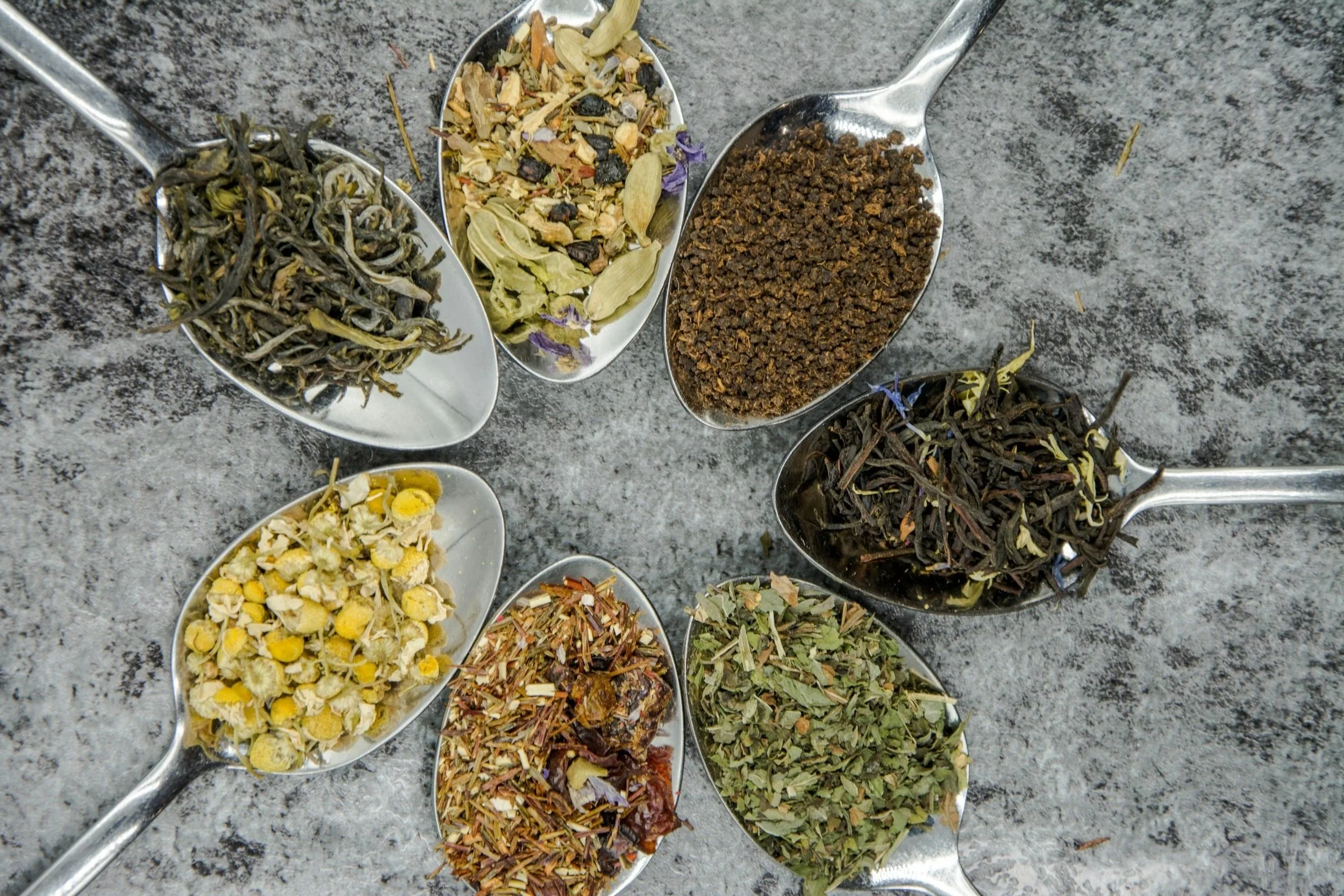
There is something special about preparing a cup of herbal tea.
The aroma of the herbs begins to fill the room. The color slowly develops in the water. You take the first sip and notice the flavor, warmth, and texture.
What began as a handful of dried plants becomes an experience.
Herbal tea can be simple, but creating a thoughtful herbal blend is an art.
You don't need to be an experienced herbalist to begin making your own blends. With a basic understanding of flavor, aroma, plant parts, and traditional herbal uses, you can begin creating teas that are both enjoyable and intentional.
What Makes Herbal Tea Different From Traditional Tea?
Technically, many beverages called "herbal teas" are tisanes rather than true teas.
True tea comes from the Camellia sinensis plant, which produces green tea, black tea, white tea, and oolong tea.
Herbal teas are generally made from other plants, including:
Flowers
Leaves
Roots
Seeds
Berries
Bark
Fruits
Chamomile, peppermint, hibiscus, ginger, rose, and lemon balm are all commonly used to create herbal infusions.
This gives herbal tea an enormous range of flavors, colors, aromas, and traditional applications.
Start With the Purpose of Your Blend
Before combining herbs, ask yourself:
What kind of experience do I want from this cup?
Perhaps you want something refreshing.
Maybe you're looking for a cozy evening beverage.
You might want a bright, fruity tea.
Or perhaps you're creating something warming for a cold afternoon.
Starting with the experience makes it easier to choose your herbs.
Rather than throwing several herbs together randomly, give your blend a direction.
Think of Your Blend Like a Recipe
Creating an herbal tea blend is very similar to cooking.
You don't necessarily want every ingredient to have the same intensity.
Instead, think about the role each herb plays.
A simple herbal blend can have four components:
1. The Base Herb
This is the primary herb that creates the foundation of your blend.
Examples include:
Chamomile
Peppermint
Lemon balm
Rooibos
Tulsi
The base usually makes up the largest portion of the blend.
2. The Supporting Herb
This herb complements the base.
For example:
Chamomile + lemon balm
Peppermint + ginger
Hibiscus + rose
Tulsi + cinnamon
3. The Flavor Herb
This adds a distinctive taste.
Examples include:
Ginger
Cinnamon
Orange peel
Lemongrass
Rose
4. The Aromatic Herb
This adds fragrance and creates a more complete sensory experience.
Lavender, rose, peppermint, and rosemary can dramatically change the aroma of a blend.
Learn Your Herbs Individually First
Before creating complicated blends, taste your herbs individually.
Prepare a cup of chamomile.
Then taste peppermint.
Try hibiscus.
Try lemon balm.
Try ginger.
Notice:
Sweetness
Bitterness
Tartness
Spiciness
Cooling sensations
Earthiness
Floral notes
Aroma
Aftertaste
You will begin developing what herbalists might call your palate.
The better you understand individual herbs, the easier it becomes to combine them.
Flavor Profiles Matter
A successful blend should taste good.
Traditional use is important, but if the tea is unpleasant to drink, you may not want to make it consistently.
Consider the basic flavor profiles.
Floral
Chamomile
Lavender
Rose
Calendula
Minty
Peppermint
Spearmint
Tart
Hibiscus
Rose hips
Warming
Ginger
Cinnamon
Cardamom
Citrusy
Lemon balm
Lemongrass
Orange peel
Earthy
Nettle
Tulsi
Dandelion root
Combining contrasting flavors can create a more interesting cup.
Color Is Part of the Experience
We often think about flavor when creating tea, but color matters too.
Hibiscus creates a beautiful deep red infusion.
Turmeric produces a golden color.
Calendula can add warm yellow tones.
Rose petals create delicate pink and reddish hues depending on the preparation.
The visual appearance of your tea contributes to the overall experience.
This is especially useful when creating herbal products because people experience a product before they even taste it.
Aroma Matters Too
Your sense of smell plays an important role in how you experience flavor.
Consider the difference between opening a jar of dried peppermint and opening a jar of dried rose petals.
The aroma immediately tells you something about the experience you're about to have.
Aromatic herbs can therefore be used strategically in blends.
For example:
Chamomile + lavender + rose
creates a very different sensory experience from:
Ginger + cinnamon + cardamom.
Both may be enjoyable, but they create completely different impressions.
Simple Herbal Blend Examples
Here are a few beginner-friendly combinations.
Evening Garden
Chamomile
Lemon balm
Rose petals
Lavender
This blend creates a soft floral and lemony profile.
Bright Berry
Hibiscus
Rose hips
Orange peel
Peppermint
This combination produces a tart, fruity, refreshing cup.
It can be served hot or chilled.
Warming Spice
Ginger
Cinnamon
Cardamom
Orange peel
This is a naturally aromatic blend with warming spice notes.
Garden Mint
Peppermint
Lemon balm
Lemongrass
Bright, fresh, and citrusy.
How Much of Each Herb?
You don't need a complicated formula when you're experimenting at home.
A simple starting point is:
3 parts base herb
2 parts supporting herb
1 part flavor or aromatic herb
For example:
3 parts chamomile
2 parts lemon balm
1 part rose
Mix thoroughly and adjust the proportions based on flavor.
If the chamomile is too strong, reduce it.
If you want more citrus, increase the lemon balm.
If you want more floral aroma, increase the rose.
Think of your first blend as a prototype.
Keep a Tea Journal
If you're serious about learning herbal blending, keep notes.
Record:
Blend name
Date
Ingredients
Amounts
Steeping time
Water temperature
Flavor
Aroma
Color
What you liked
What you would change
This simple practice can dramatically improve your ability to formulate blends.
Instead of relying on memory, you'll have a record of what worked.
The Importance of Plant Parts
When making a blend, pay attention to the plant parts you're using.
Flowers are generally delicate.
Leaves can vary in texture.
Roots and bark are tougher.
Seeds can be dense.
This matters because different plant materials may require different preparation methods.
A blend containing mostly flowers and leaves may work beautifully as an infusion.
A blend containing significant amounts of roots or bark may require a different preparation approach.
This is another reason herbal formulation involves more than simply combining herbs that sound good together.
Don't Add Too Many Herbs
More isn't always better.
One of the most common beginner mistakes is creating a blend containing ten or fifteen herbs.
The result can be confusing.
You may not know which herb is contributing which flavor.
You may also make the formula unnecessarily complicated.
Start with three to five herbs.
Learn how they interact.
Then make adjustments.
A simple blend can be incredibly sophisticated.
Think About Balance
A good herbal blend usually has some type of balance.
You might balance:
Sweet + tart
Floral + earthy
Cooling + warming
Soft + spicy
Bright + grounding
This doesn't mean every blend needs to contain opposite qualities.
It simply means you're thinking intentionally about the overall experience.
Herbal Tea as a Daily Ritual
Herbal tea doesn't have to be about "fixing" something.
It can simply be a way to pause.
Prepare your herbs.
Heat your water.
Allow the herbs to steep.
Take a moment to breathe.
Notice the aroma.
Sip slowly.
This transforms a beverage into a ritual.
And rituals can help us create moments of intentionality within busy days.
Creating Seasonal Herbal Blends
Your tea blends can change throughout the year.
Spring
Lemon balm
Rose
Nettle
Peppermint
Summer
Hibiscus
Mint
Lemongrass
Rose
Autumn
Ginger
Cinnamon
Orange peel
Tulsi
Winter
Ginger
Cinnamon
Cardamom
Clove
Seasonal blending can make herbal tea feel connected to the natural rhythm of the year.
Safety Comes Before Creativity
It's important to remember that not every herb belongs in every person's tea blend.
Some herbs can interact with medications.
Others may not be appropriate during pregnancy or breastfeeding.
Some herbs have specific dosage considerations.
Children may require different considerations than adults.
And some herbs that are safe as culinary ingredients may require more caution when used in concentrated preparations.
Before creating a blend for therapeutic purposes, learn the safety profile of every ingredient.
If you are unsure, consult a qualified healthcare professional or knowledgeable herbal practitioner.
From Your Kitchen to Your Herbal Practice
Once you learn how to create your own blends, something interesting happens.
You begin looking at herbs differently.
You start noticing flavor combinations.
You begin recognizing plant parts.
You learn which herbs complement each other.
You become more curious about traditional herbal actions and energetics.
And your herbal pantry becomes more than a collection of jars.
It becomes a place of experimentation and learning.
Final Thoughts
Creating herbal tea blends is part science, part tradition, and part creativity.
You are learning about plants while also working with flavor, aroma, color, texture, and personal preference.
Start simple.
Choose a base.
Add one or two supporting herbs.
Taste.
Take notes.
Adjust.
And most importantly, enjoy the process.
You don't have to create the perfect blend on your first attempt.
Every cup is an opportunity to learn more about the plants you're working with.
What's Next?
In our next article we will explore herbal rituals.
Next: “Herbal Rituals: Turning Everyday Herbs into Moments of Self-Care”
An herbal ritual is a repeated practice involving herbs that allows you to intentionally pause and connect with yourself. You will learn how to easily incorporate herbs into everyday life.
If you haven’t already, don’t forget to grab the FREE Herbal Foundations Guide!
Disclaimer
This article is for educational purposes only and is not intended to diagnose, treat, cure, or prevent any disease. Herbal products can interact with medications and may not be appropriate for everyone. Consult a qualified healthcare professional before using herbs, particularly if you are pregnant, breastfeeding, taking medications, preparing for surgery, or managing a health condition.